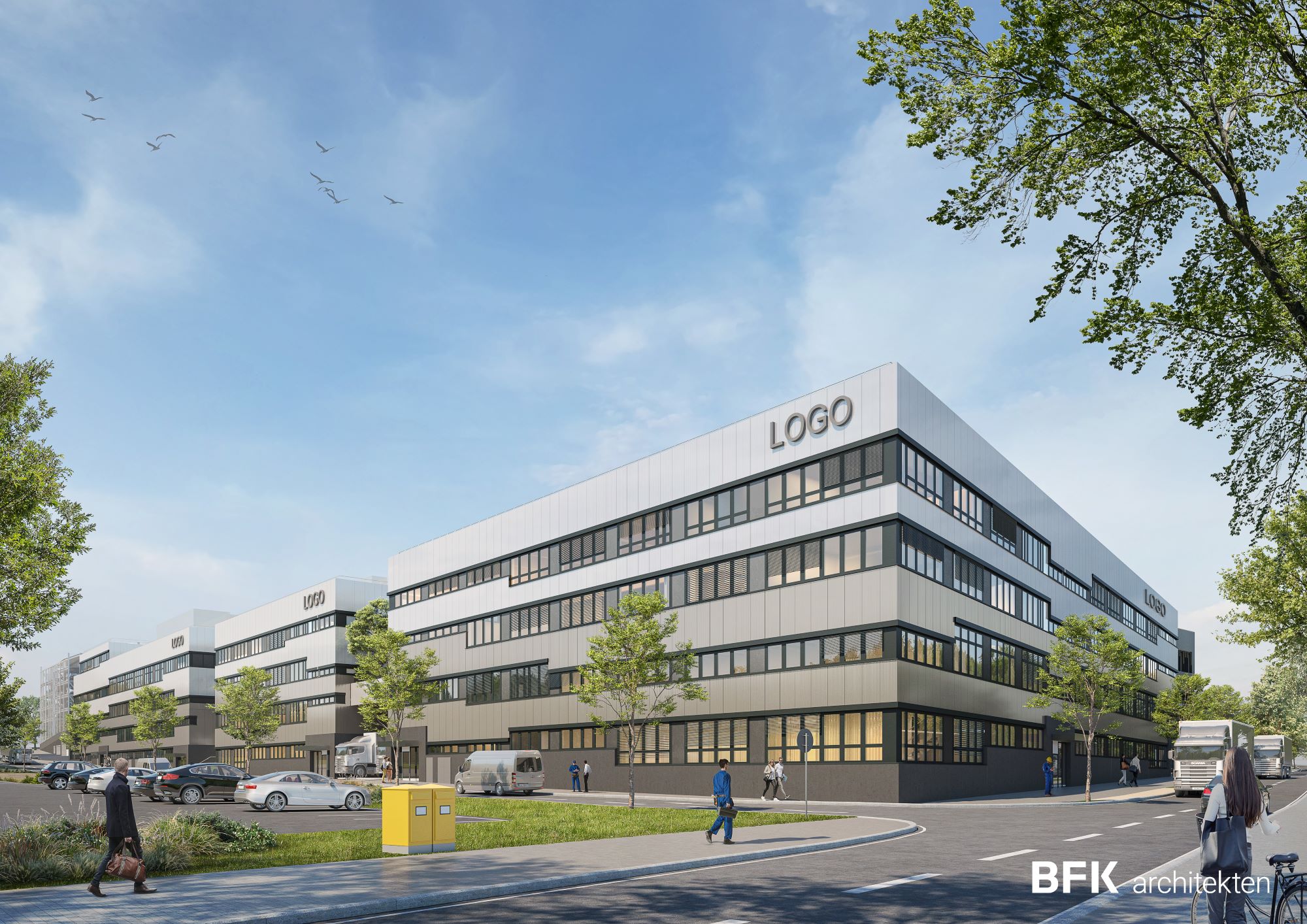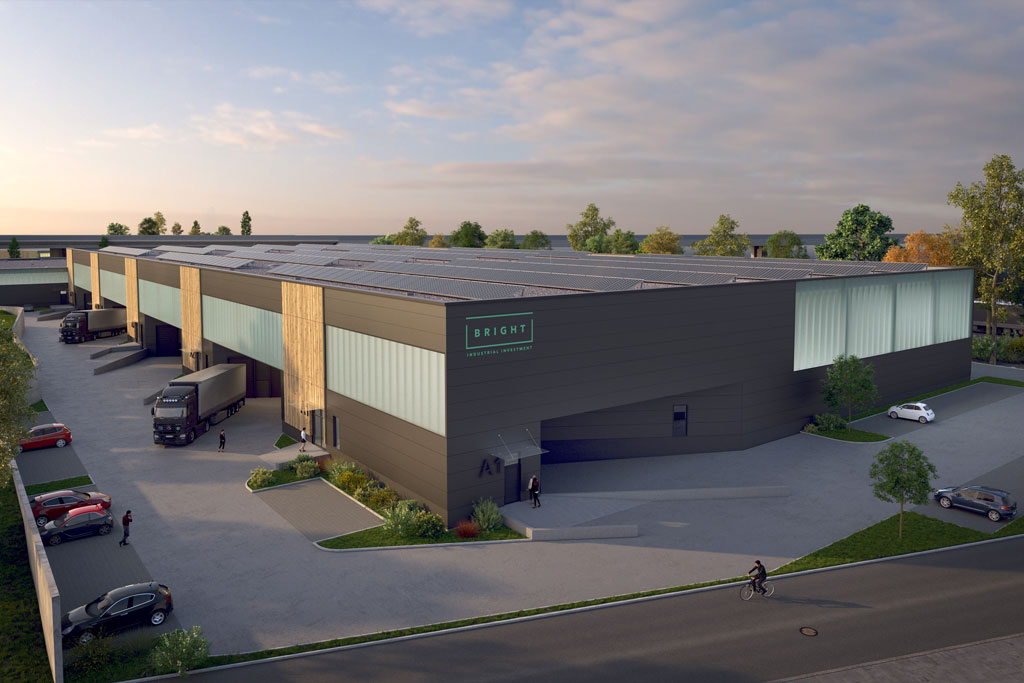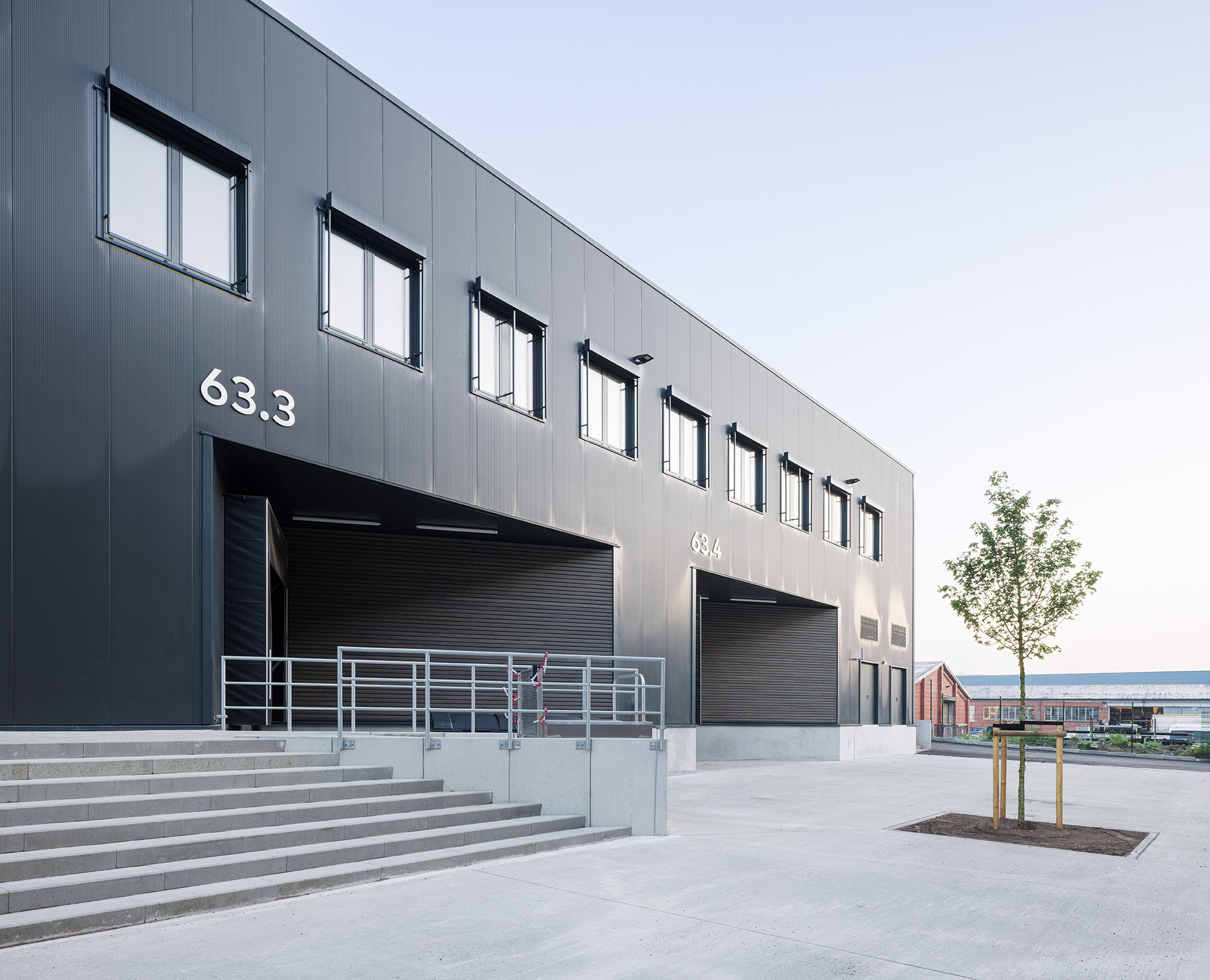







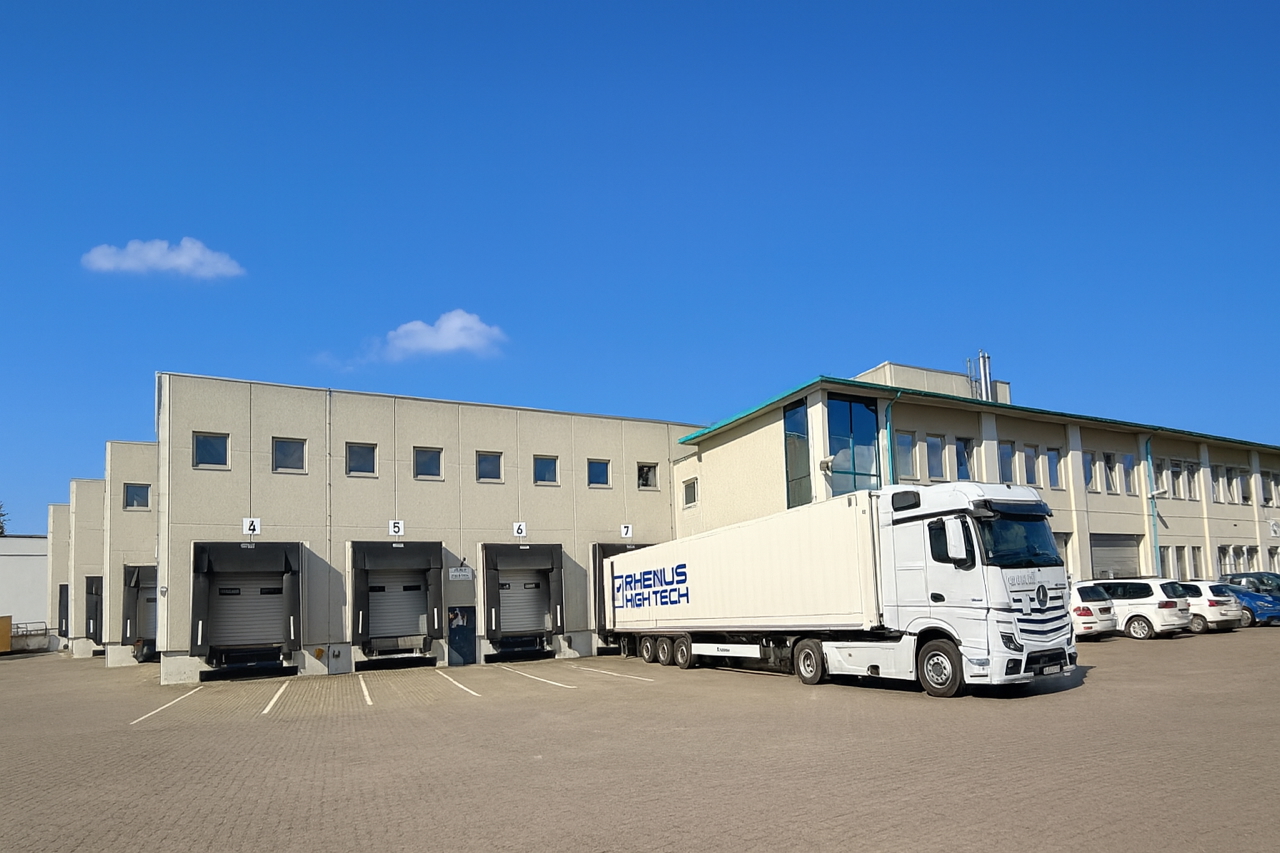
Through Transform to Green, INBRIGHT revitalizes legacy industrial properties into ESG-compliant assets that lead in environmental stewardship, social value, and long-term resilience. Guided by the science-based CRREM decarbonization framework and the Paris Climate Agreement, we transition assets from “Brown to Green,” driving them toward “Paris-Ready” status. Each project integrates holistic refurbishment, carbon optimization, and strategic repositioning to unlock measurable ESG value and future-proof your investment portfolio.
Decarbonising existing space
Brown to Green: PV installation, pellet heating, optimized energy contracting, LED lighting, decentralized hot water systems, roof refurbishment.
Social: Human-centered workplace design.
ESG-Driven Refurbishment
Brown to Green: PV installation, heat pump, optimized energy contracting, LED lighting, smart energy management, climate-optimized building envelope.
Social: Human-centered space planning, high-quality user experience.
Powering an Energy-Efficient Future
Brown to Green: PV installation, heat pump, optimized energy contracting, LED lighting, roof refurbishment.
Social: High-quality work environments and long-term tenant resilience.
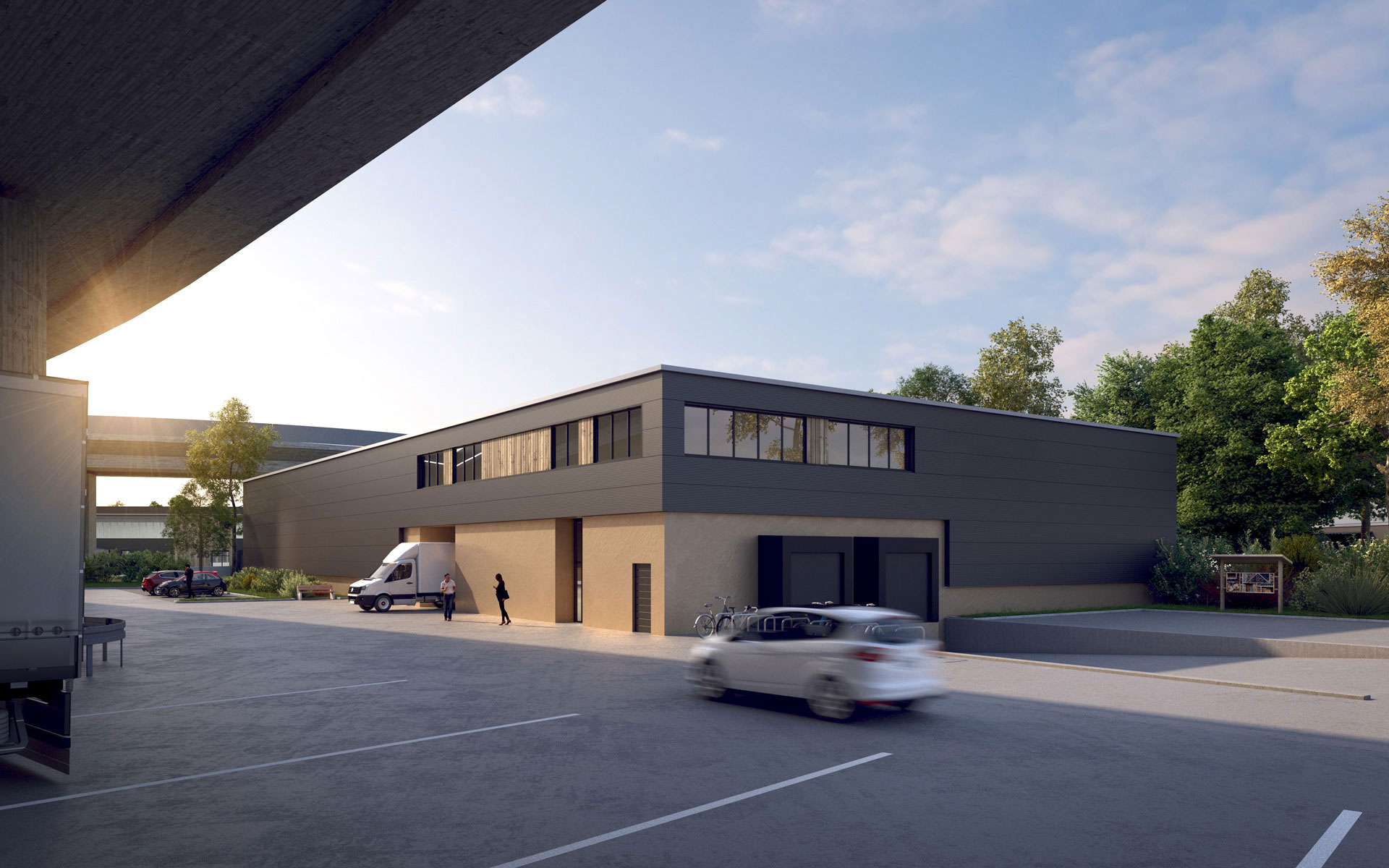
Sustainable Brownfield Transformation
Brown to Green: PV installation, heat pumps with buffer storage, LED lighting, brownfield remediation with circular site revitalization, Brownfield Award Winner 2023.
Social: Tenant engagement in energy efficiency, waste separation, and water conservation.
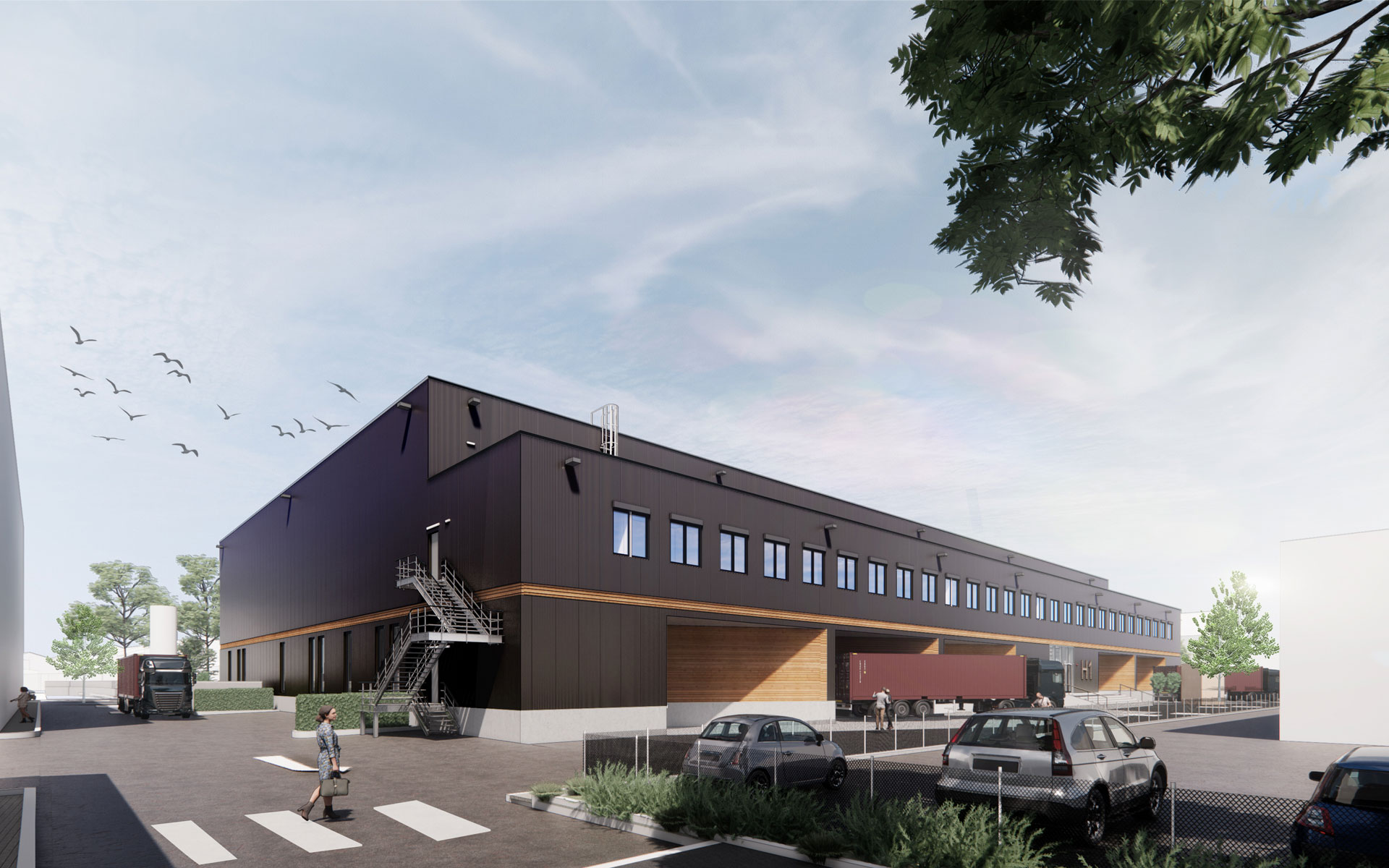
“Green Industrial“ in Billbrook
Brown to Green: PV installation, heat pumps, LED lighting, smart energy management, low-carbon construction materials, green roofs, green lease agreements.
Social: EV charging for cars & bikes, high-quality work environment through holistic site development.
New Build with a Focus on Biodiversity
Brown to Green: PV system, heat pump, optimized energy contracting, LED lighting, Efficiency House 40 standard, green roofs & façades, targeted DGNB Gold certification.
Social: Biodiversity strategy, unsealed courtyard, biophilic design for healthier workplaces.
Future-Ready Campus for Industry 4.0
Brown to Green: Min. 1,050 kWp photovoltaics, district heating, LED lighting, KfW 40 efficiency standard, timber-hybrid construction, green roofs, green leases, targeted DGNB Gold certification.
Social: EV charging, bicycle parking, regional bike-sharing stations, high-quality public spaces and social meeting areas.
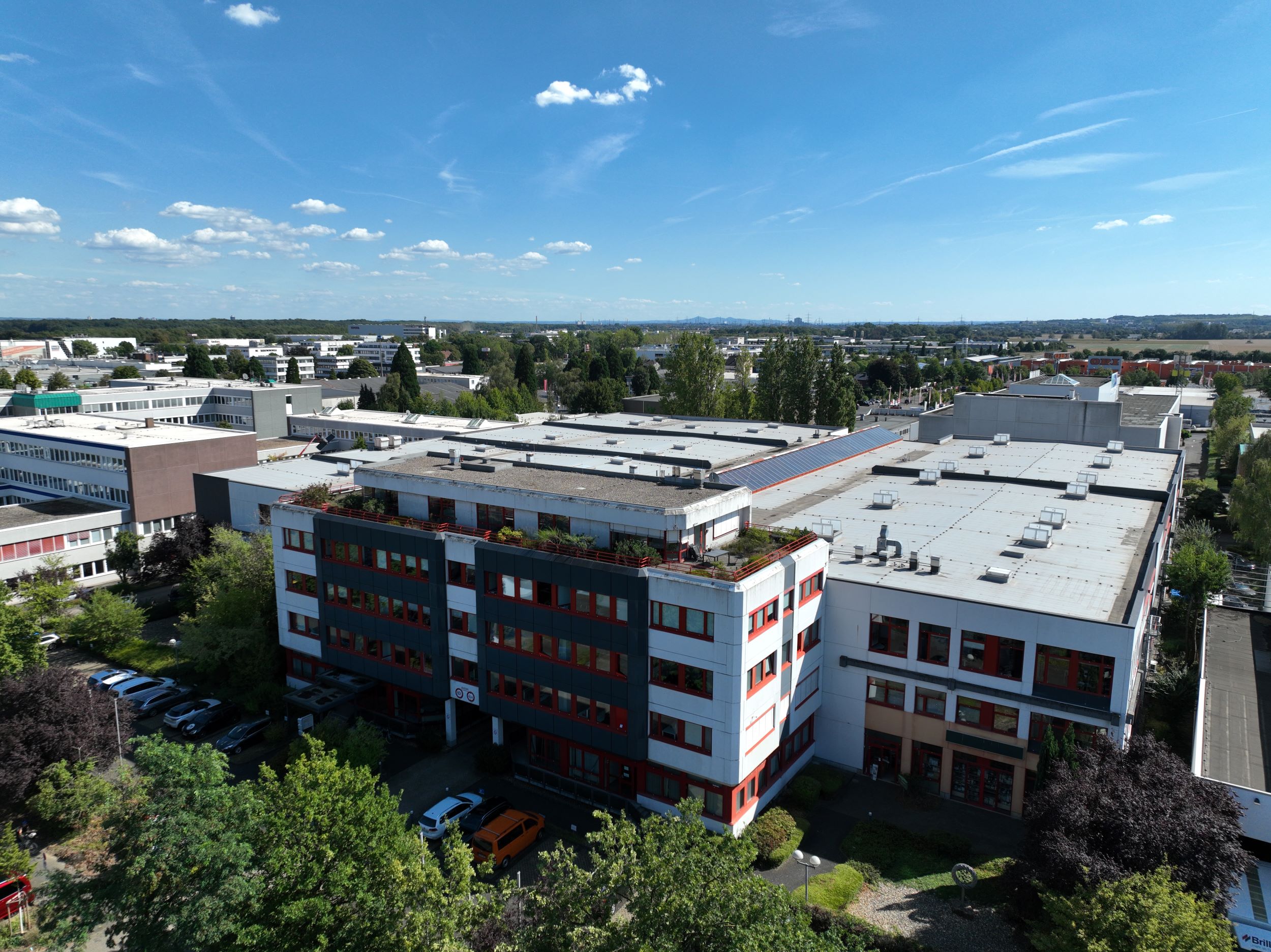
Flexibility for the Future
Brown to Green: PV installation, heat pump, optimized energy contracting, LED lighting, roof refurbishment, green roof, CRREM-aligned CO₂ reduction pathway, green lease agreements.
Social: Diverse tenant mix fostering social interaction and inclusive communities.
Energy Efficiency Meets Green Diversity
Brown to Green: PV installation, heat pump, pellet heating, LED lighting, decentralized hot water, thermo-active building systems, green roof, green leases, BREEAM certification (targeted).
Social: Bicycle parking, daylight-optimized workspaces, high-quality amenities, rooftop terrace.
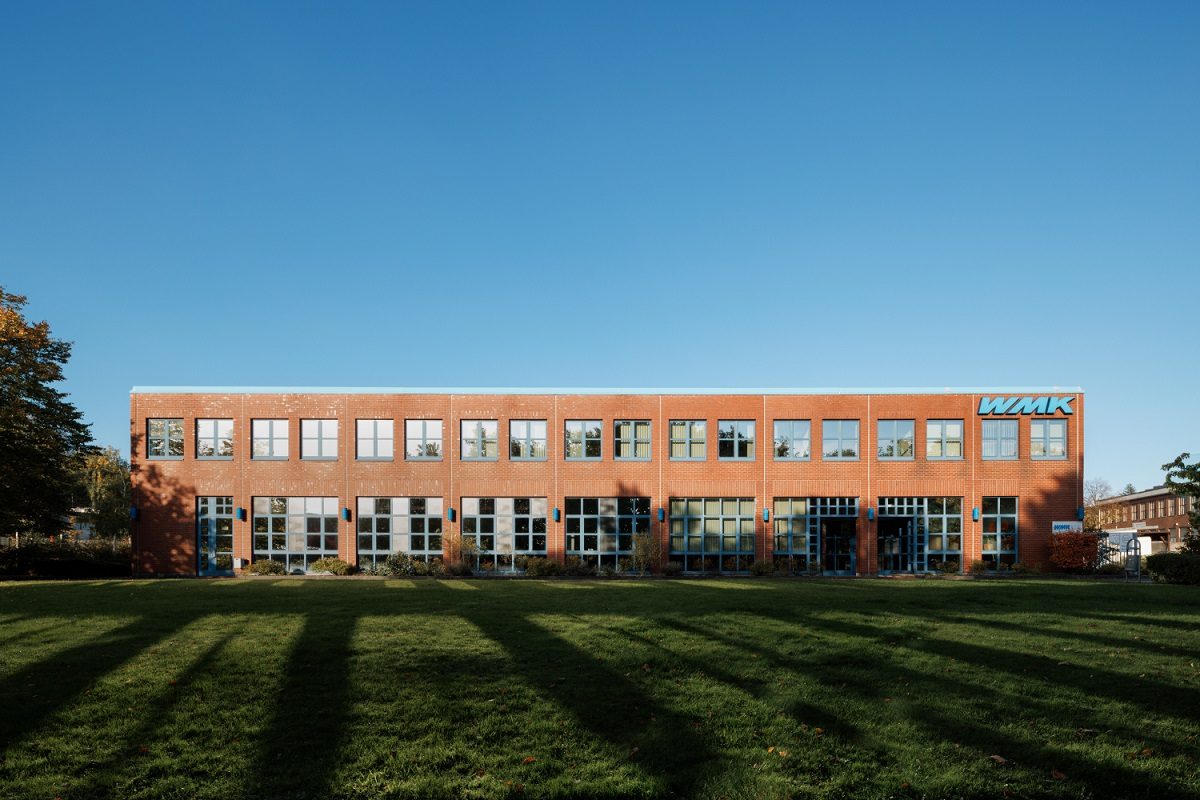
Smart Retrofit with Impact
Brown to Green: PV installation, heat pump, sustainable energy systems, roof refurbishment, targeted BREEAM certification.
Social: Daylight-optimized workspaces, social sustainability through community-oriented tenants, long-term use resilience.
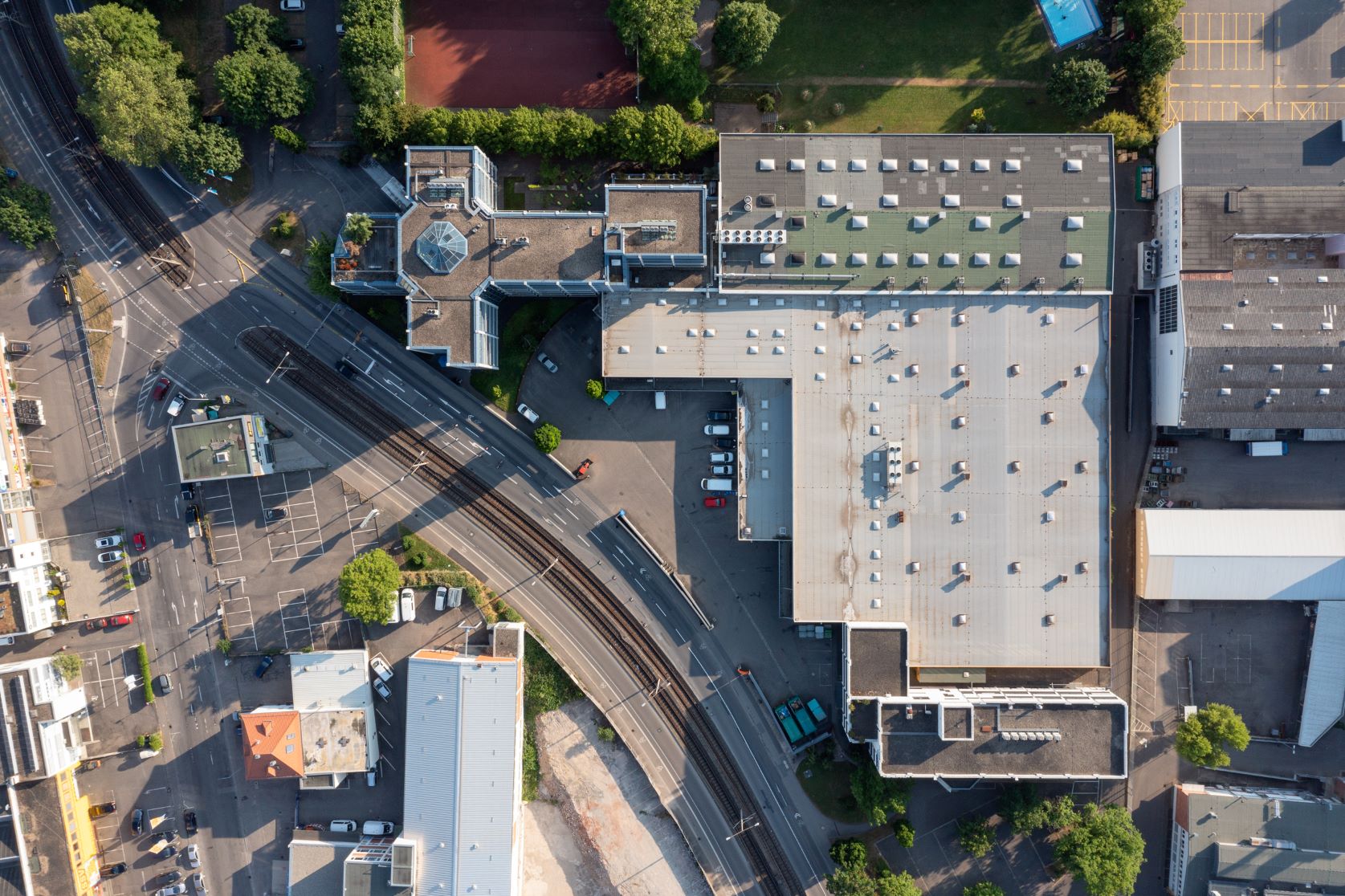
Preserving Built Value, Connecting Local Communities
Brown to Green: PV installation, district heating, LED technology, energy-efficient roof refurbishment, green outdoor spaces.
Social: Barrier-free access, shared space concept supporting local club operations, close partnership with local swimming club, commitment to regional value chains by engaging local contractors and retaining established service providers.
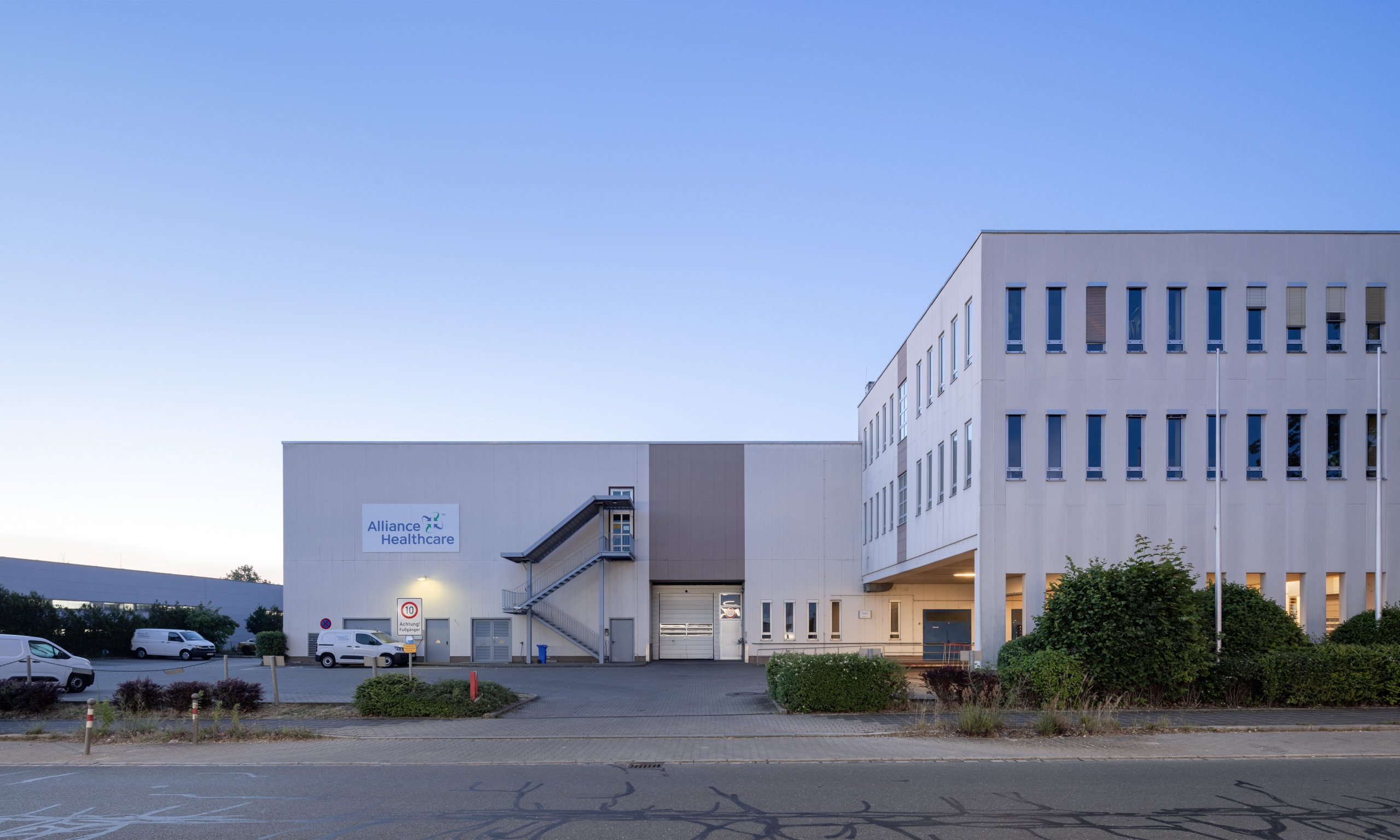
DGNB Gold & BEG 40 Standard
Low-Carbon Construction Materials
Integrated PV & Heat Pump Systems
E-Mobility Infrastructure


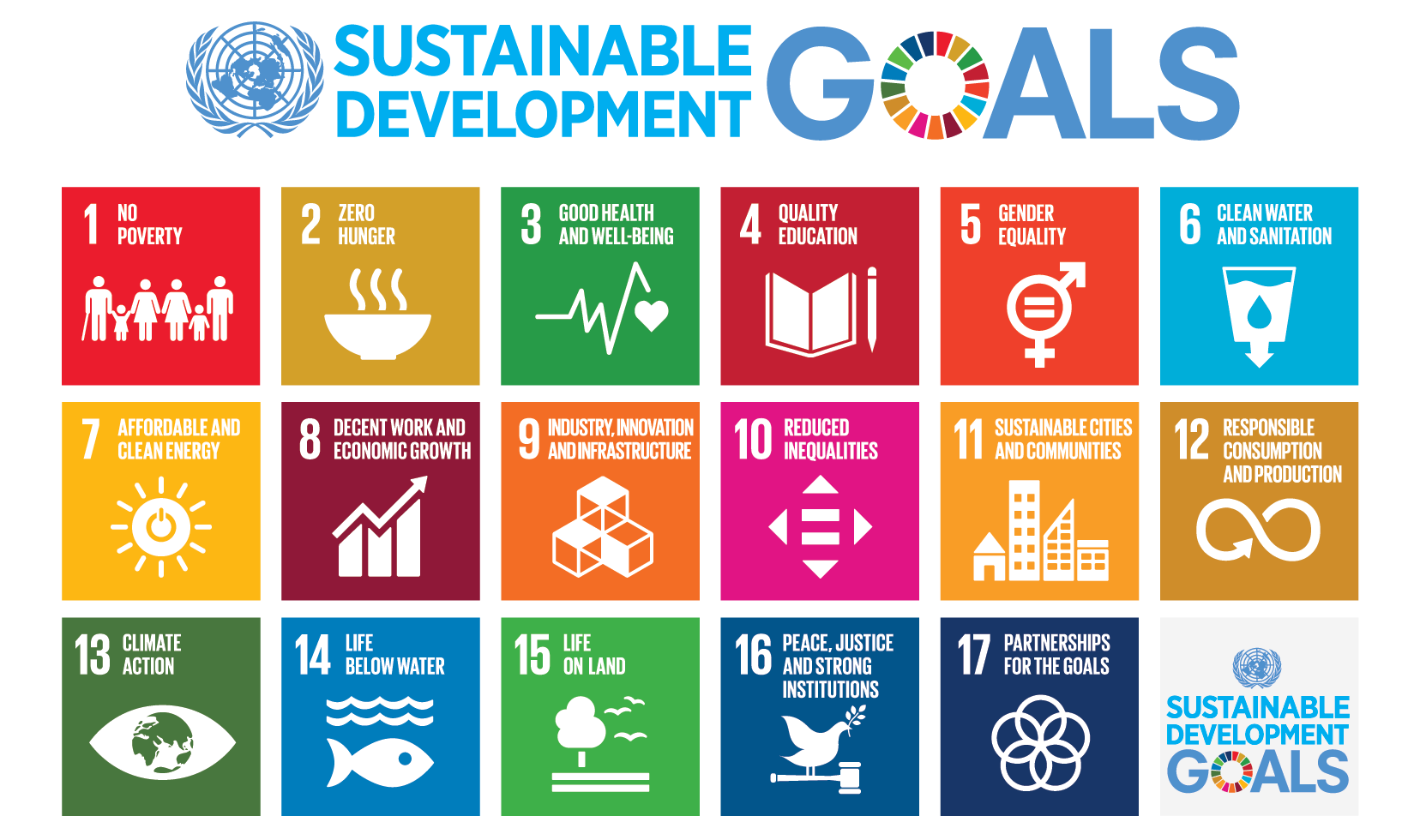
The 17 Sustainable Development Goals (SDGs) were adopted in 2015 by the member states of the United Nations.
They set a road map for the sustainable social, economic and environmental transformation of our world by 2030.
The SDGs also offer us as a company a framework for contributing to a positive future for the world. Our ESG strategy is our contribution to tackling the greatest worldwide challenges, especially to achieving the following SDGs:
We respect diversity, a fair pay and participation structure and the indivdual promotion of out team members, thus contributing to equality of opportunity.
Economic success and a profitable investment strategy are for us the foundation for securing attractive jobs in the long term and contributing to healthy economic growth.
We promote a low-emission infrastructure by locating our properties close to existing residential areas, offering our tenants access to public transport. We modernise and reposition old industrial and commercial properties to make their use lower in emissions, cleaner and more flexible, thus making a noticeable contribution to sustainable industry.
When building and repairing our properties, we are careful to use innovative and engery-efficient systems so as to aviod unnecessary environmental pressures on the surrounding area. Wherever compatible with legislation and the comfort demands of our users, we reduce technical equipment to a minimum to promote the longevity of our properties.
We align both our company and our property projects to ESG criteria. This includes planning our properties in a way that is sparing of resources and ensures them a long useful life with maximum flexibility. We also maintain open interactions in the spirit of partnership with all those involved – from planners and building firms through to the eventual user.
Reducing emissions, especially CO2 emissions, has a high priority for us within our ESG strategy. We as a company aim to reduce and compensate for our CO2 footprint to make the most effective contribution we can to protecting the climate.
In an initial workshop, we first developed core values for our company. The development of an ESG strategy for INBRIGHT is based on this: main topics were determined and validated based on a fixed evaluation scheme in a two-day workshop. On the one hand, the topics result from the requirements of national and international industry standards and frameworks, such as DGNB, LEED and GRESB, and, on the other hand, from general sustainability standards, such as the Global Reporting Initiative (GRI), the Sustainability Accounting Standards Board (SASB) and the Sustainable Development Goals. The list of topics was ultimately supplemented by specific industry requirements from the Light Industrial area. The collection of topics was classified based on a fixed evaluation scheme in a materiality assessment using a two-dimensional matrix with the dimensions “Relevance to business” and “Effects on the government and society”. The topics with the highest values in both dimensions, and hence being above the materiality threshold, form the basis of our ESG strategy or our sustainability programme. The materiality assessment is revalidated annually with the participation of internal and external stakeholders and the assessment of the topics is adjusted accordingly.
The 17 Sustainable Development Goals (SDGs) were adopted in 2015 by the member states of the United Nations.
They set a road map for the sustainable social, economic and environmental transformation of our world by 2030.
The SDGs also offer us as a company a framework for contributing to a positive future for the world. Our ESG strategy is our contribution to tackling the greatest worldwide challenges, especially to achieving the following SDGs:
We respect diversity, a fair pay and participation structure and the indivdual promotion of out team members, thus contributing to equality of opportunity.
Economic success and a profitable investment strategy are for us the foundation for securing attractive jobs in the long term and contributing to healthy economic growth.
We promote a low-emission infrastructure by locating our properties close to existing residential areas, offering our tenants access to public transport. We modernise and reposition old industrial and commercial properties to make their use lower in emissions, cleaner and more flexible, thus making a noticeable contribution to sustainable industry.
When building and repairing our properties, we are careful to use innovative and engery-efficient systems so as to aviod unnecessary environmental pressures on the surrounding area. Wherever compatible with legislation and the comfort demands of our users, we reduce technical equipment to a minimum to promote the longevity of our properties.
We align both our company and our property projects to ESG criteria. This includes planning our properties in a way that is sparing of resources and ensures them a long useful life with maximum flexibility. We also maintain open interactions in the spirit of partnership with all those involved – from planners and building firms through to the eventual user.
Reducing emissions, especially CO2 emissions, has a high priority for us within our ESG strategy. We as a company aim to reduce and compensate for our CO2 footprint to make the most effective contribution we can to protecting the climate.