Ludwigsburg
LIZ - Ludwigsburg Industrial Centre
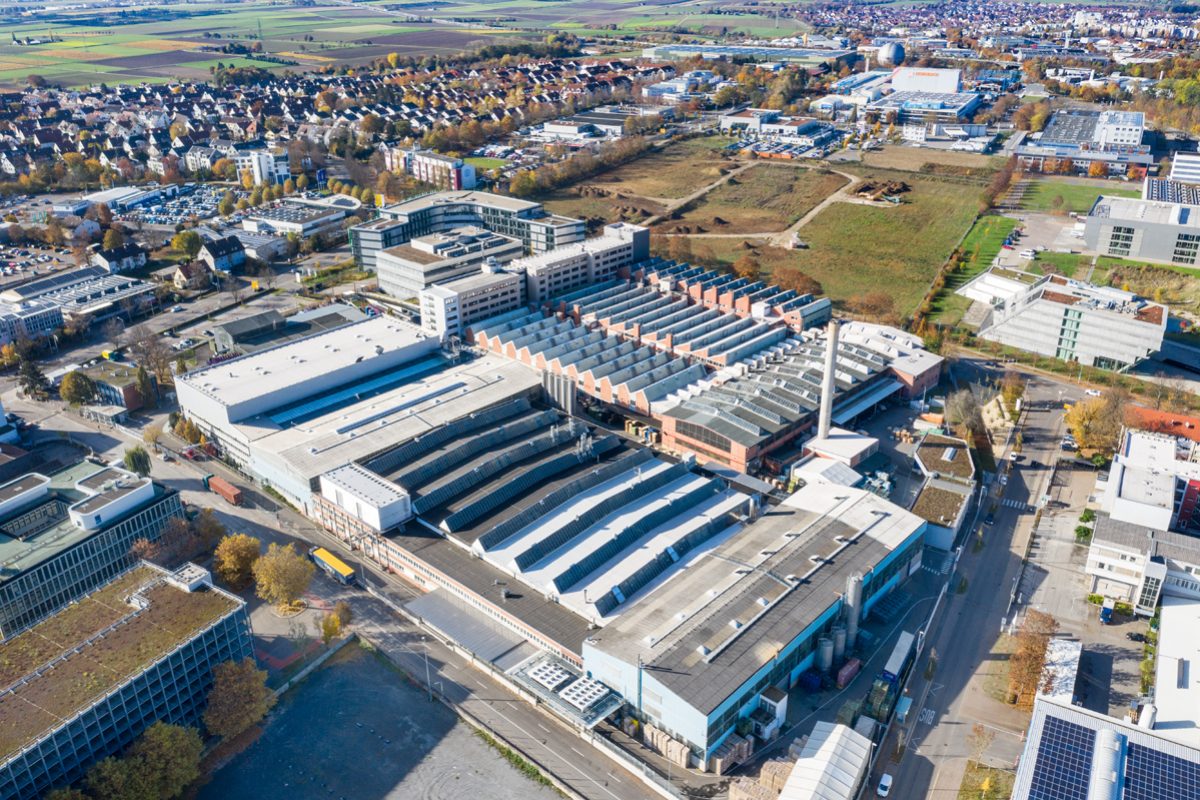
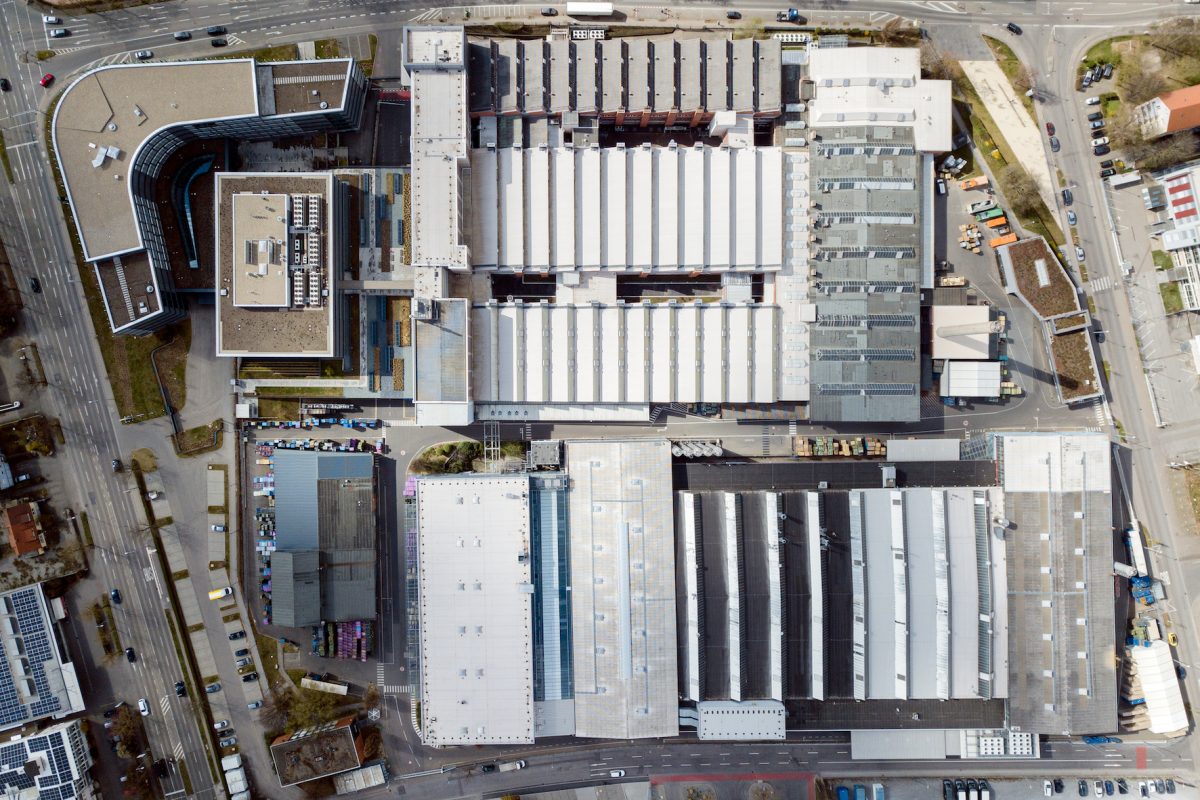
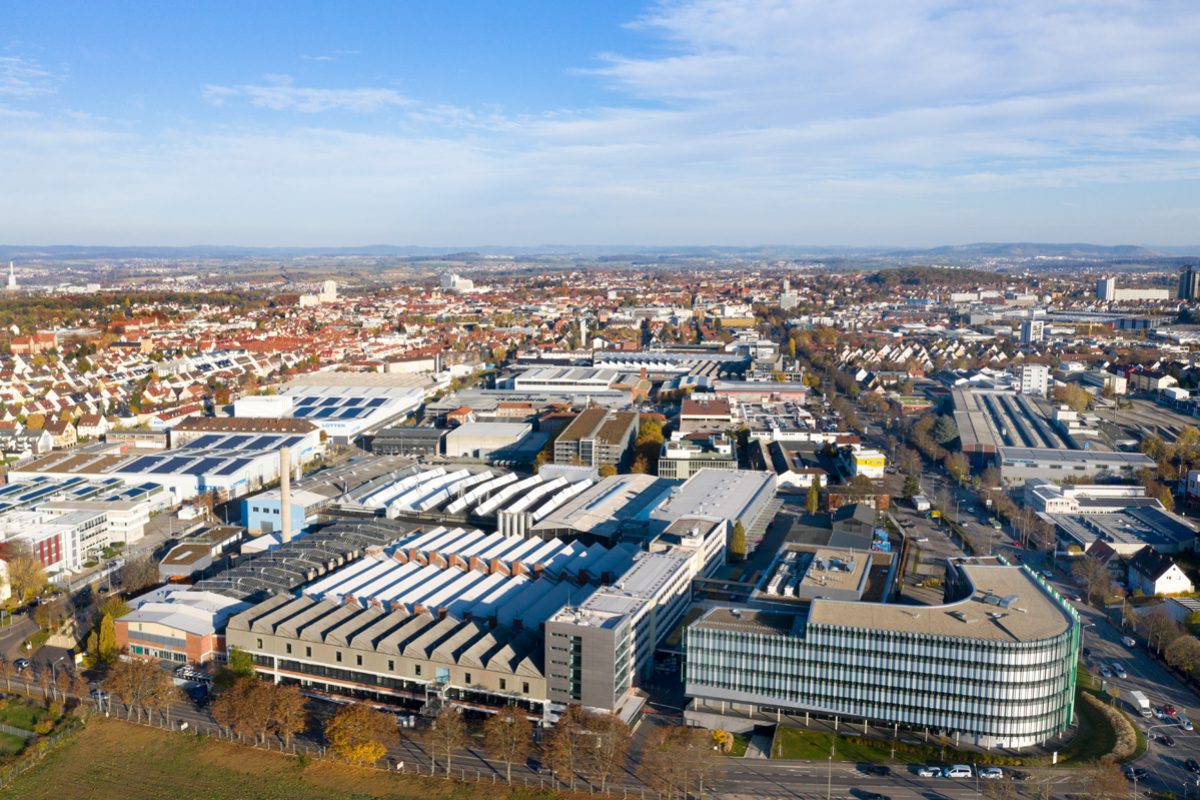
Together with Patron Capital, INBRIGHT is developing a future-oriented commercial campus on the former MANN+HUMMEL production site in Ludwigsburg. In the western part of the city, the Ludwigsburg Industriezentrum (LIZ) will evolve over the coming years into a modern hub for research & development and light industry, spanning a 51,000 sqm site.
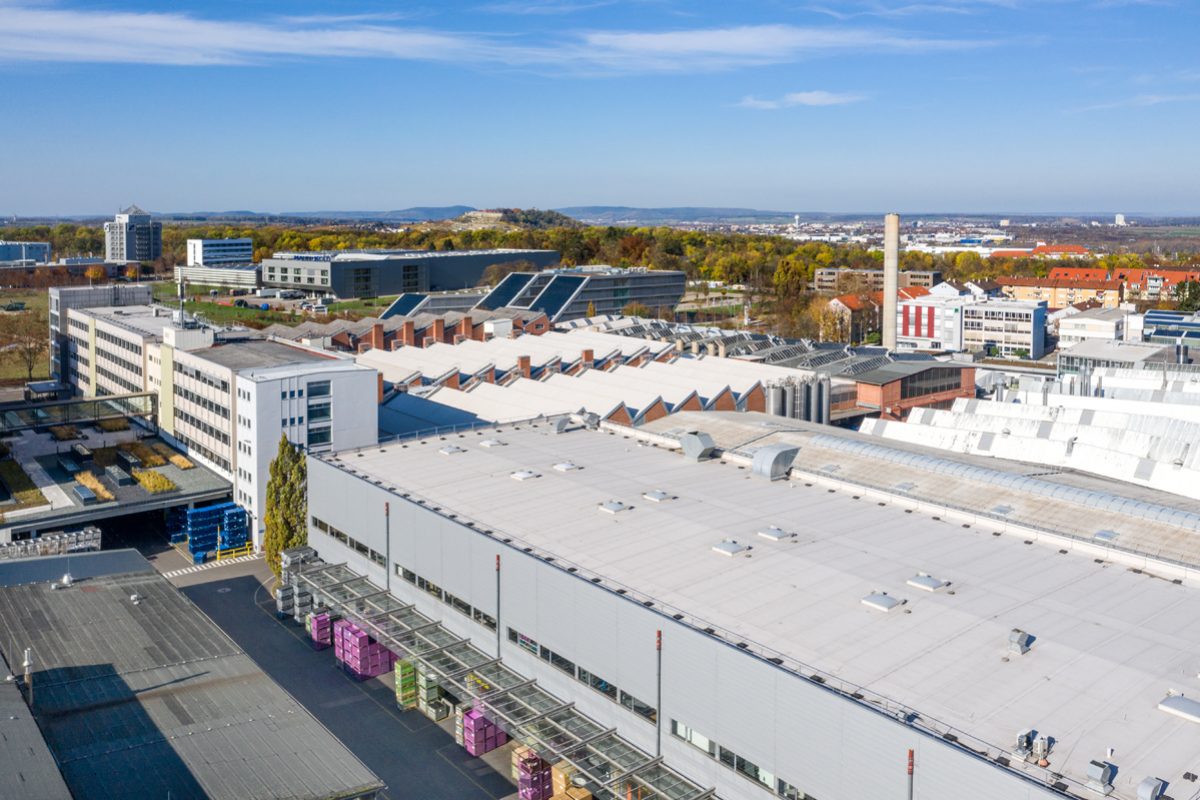
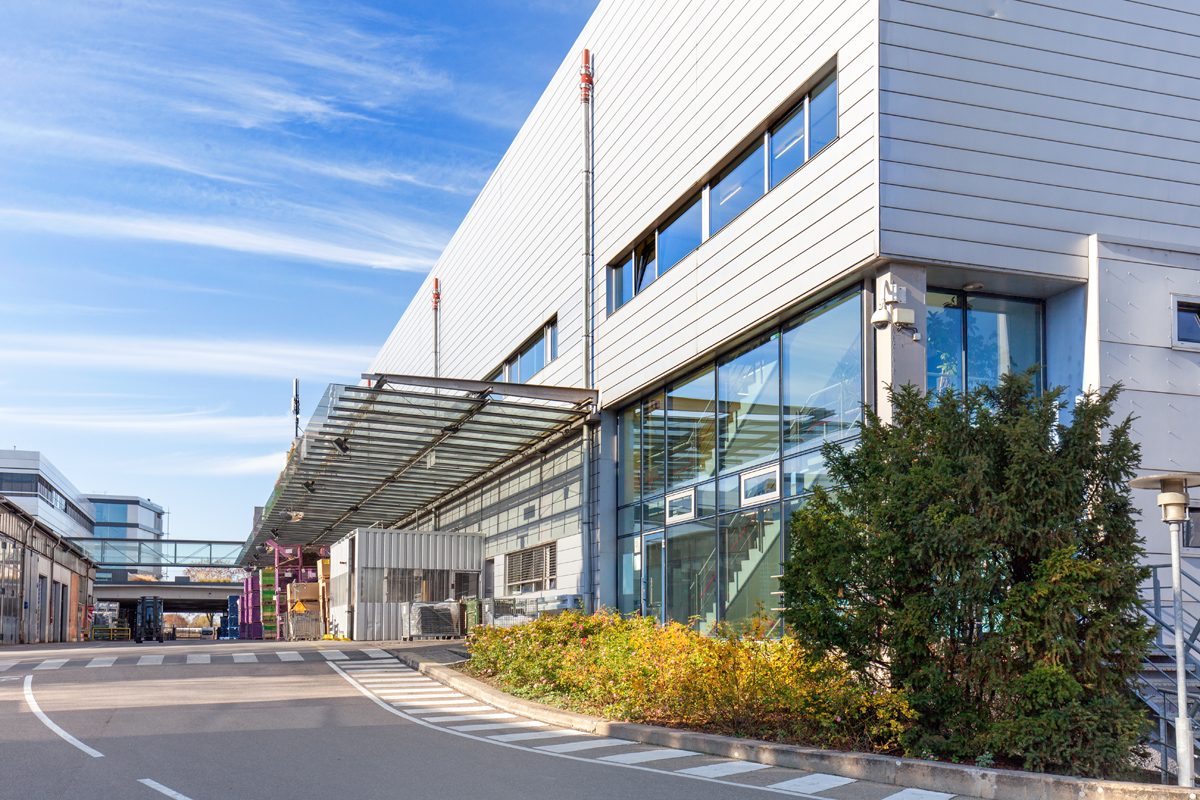
Around 44,500 sqm of the former MANN+HUMMEL production facilities will be comprehensively modernized, while other existing buildings will be selectively demolished and replaced with contemporary new structures. Together, this will create approximately 100,000 sqm of flexible rental space.
Sustainability and future viability are a key focus: the space is designed for a wide range of Industry 4.0 applications, while fully considering relevant ESG criteria.
The Weststadt district of Ludwigsburg is undergoing a dynamic transformation and, with around 10,000 employees and renowned companies such as Hahn + Kolb, Roche, Lotter, Stiehl, Porsche, Bosch, Goetze Armaturen, and many more, has become one of the region’s most important commercial hubs.
As the largest contiguous commercial area in Ludwigsburg, Weststadt attracts significant political and public attention, extending beyond the regional context.
Year of Construction/refurbishment:
1954 to 2014 / 2024-2027
Site area:
51.000 sqm
Rental Area:
around 100.000 sqm (after completion of project development)
Location:
The property is located between Schlieffenstrasse, Groenerstrasse and Wilhelm-Fein-Strasse in 71636 Ludwigsburg
ESG Highlights:
Targeting DGNB Gold certification, featuring a large-scale photovoltaic system with over 1 MWp output, full district heating connection, and BEG40 efficiency standard for new buildings. The campus will offer green lease agreements, e-mobility infrastructure, green roofs, and 100% renewable electricity, combining sustainability with high-performance design.
Location and Connection
The Weststadt district of Ludwigsburg combines residential areas with single-family homes and around one-third of the city’s commercial space. The Ludwigsburg Industrial Center (LIZ) is exceptionally well connected: via Schwieberdinger Straße, one of Ludwigsburg’s main thoroughfares, the A81 Ludwigsburg Süd junction is just a 5-minute drive away, and the city center can be reached in under 10 minutes.
Directly at the property, bus lines 420 and 433 stop and a bicycle rental station is available. From around 2031, LIZ will gain even better connectivity through the new “Lucie” light rail, linking the campus to the city center and the wider region. The nearby Ludwigsburg train station is a regional hub, served by S-Bahn lines S4 and S5 as well as several regional trains, providing excellent connections to Stuttgart Central Station.
Located just 12 km north of Stuttgart, Ludwigsburg is part of the Stuttgart metropolitan region. Stuttgart Airport is reachable in around 40 minutes by car, and Frankfurt Airport in approximately 1 hour 40 minutes.
PROJECT STATUS - January 2026
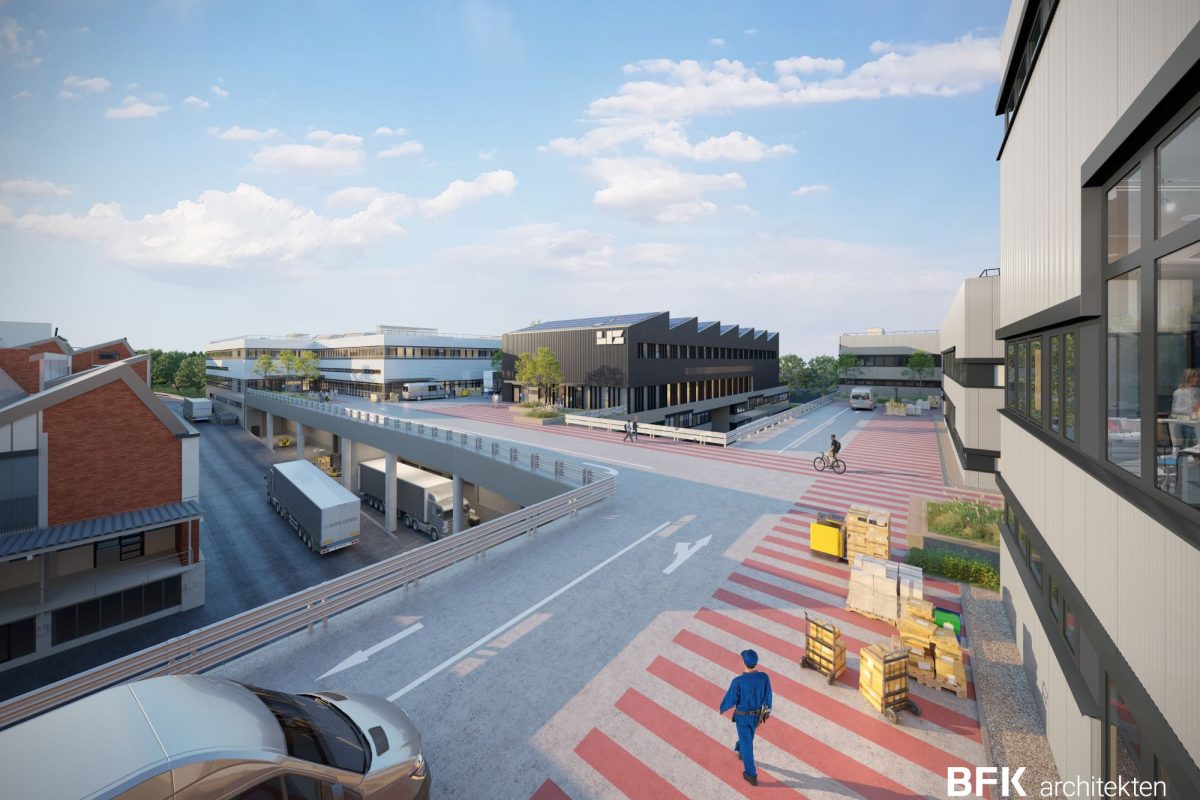
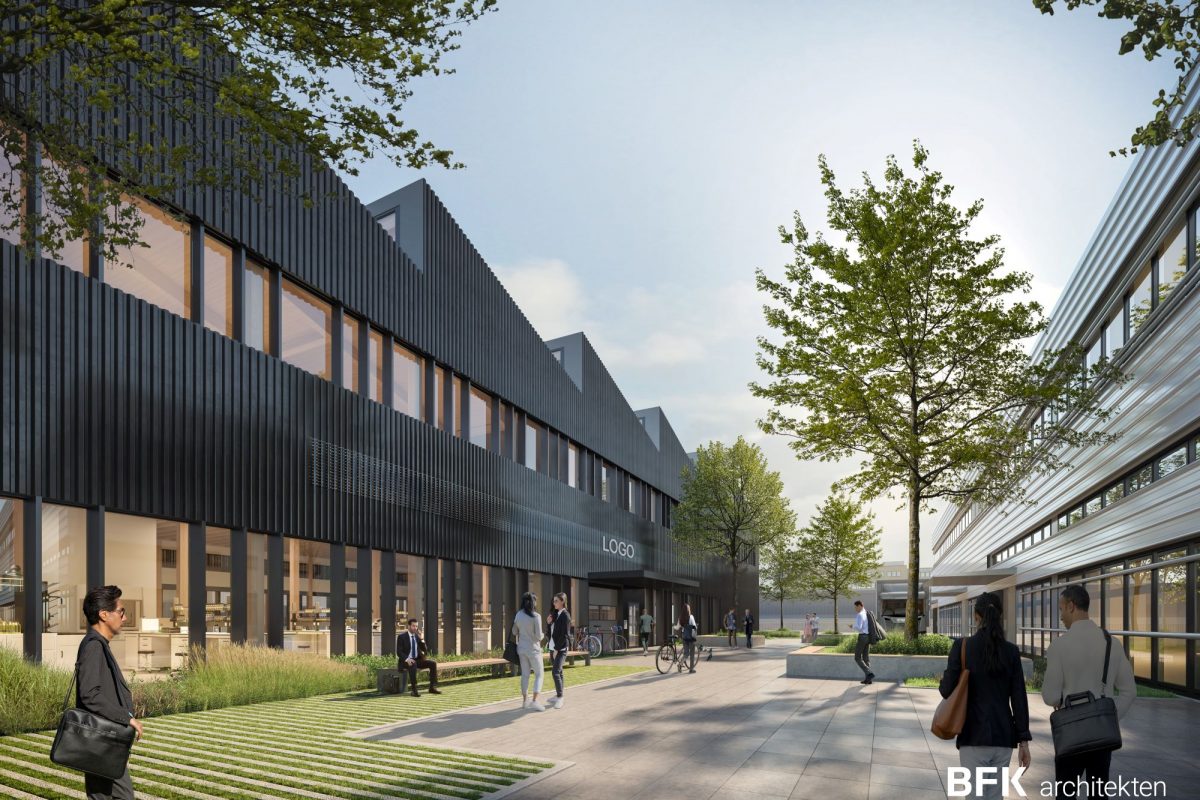
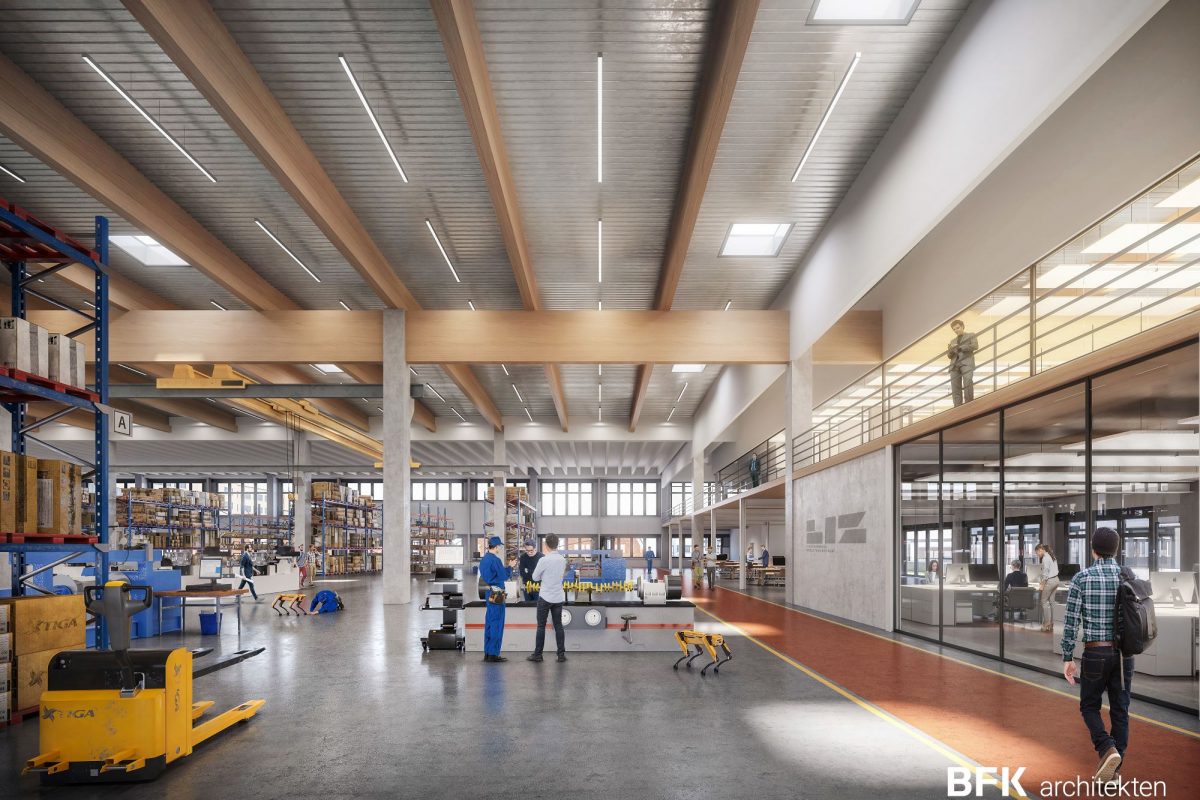
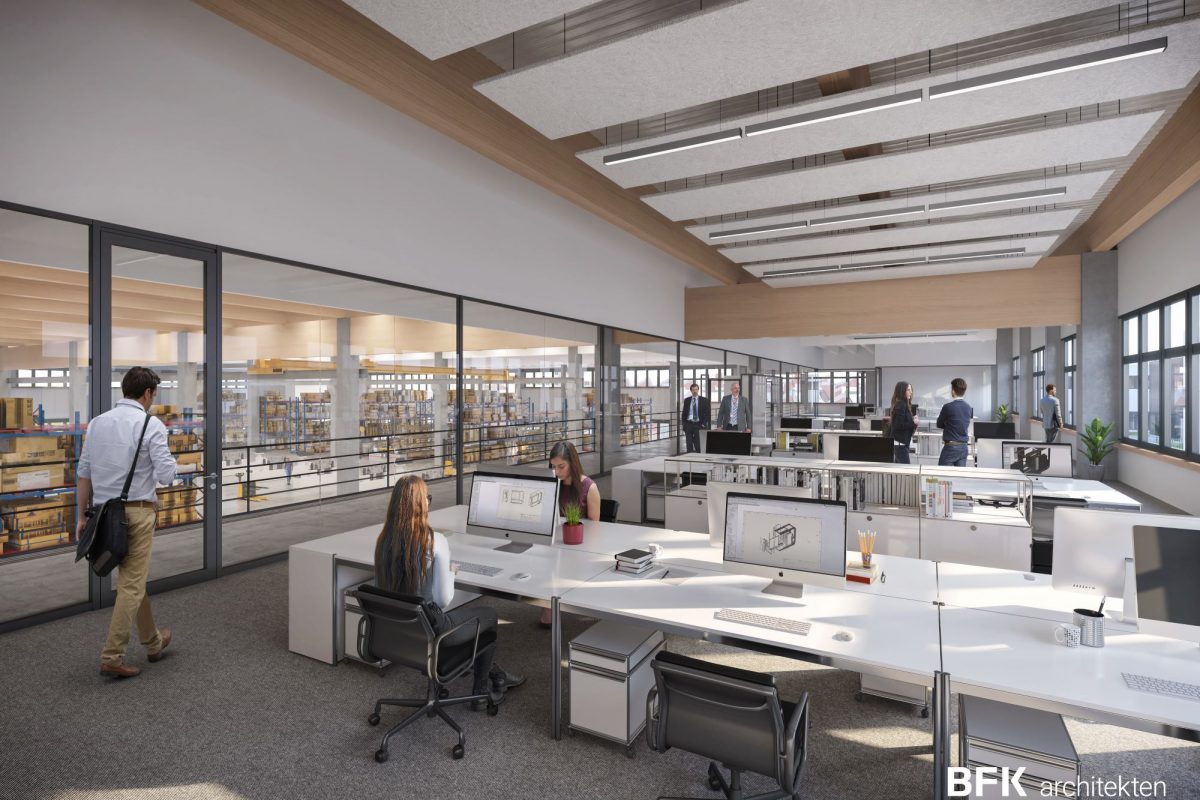
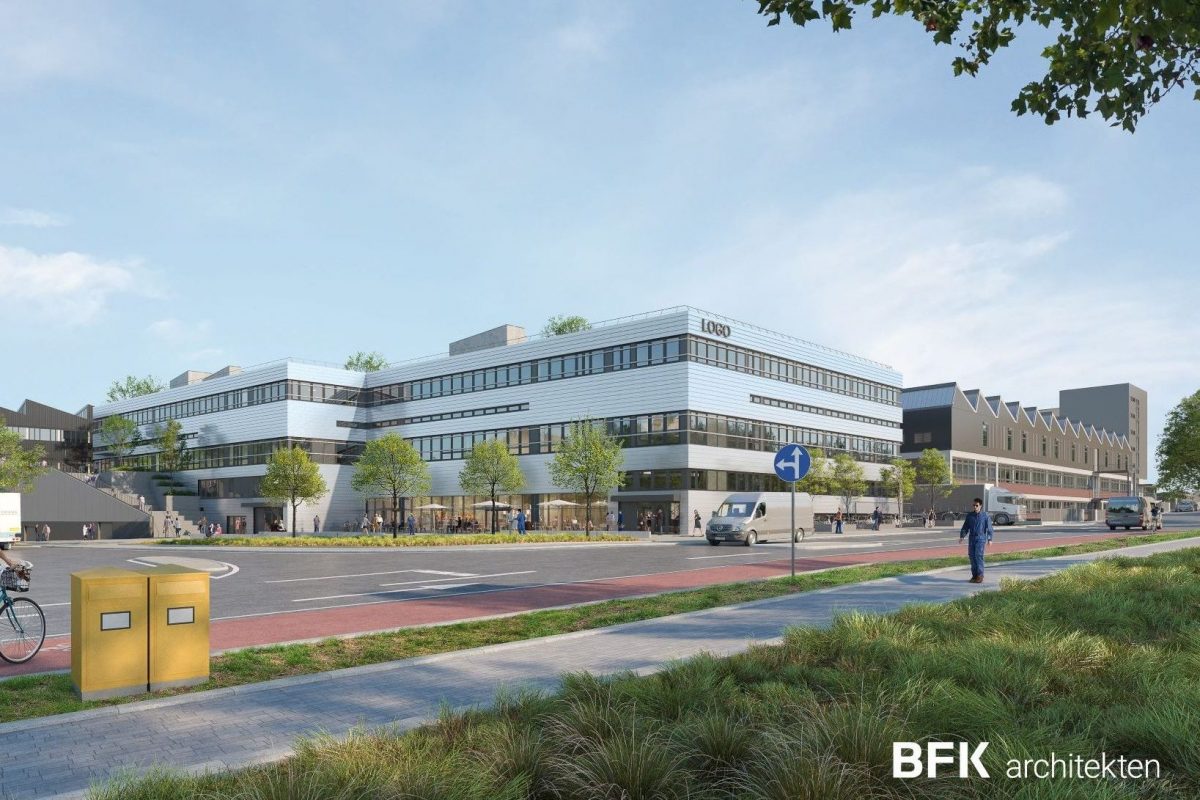
In August 2022, a competition involving five architectural firms was launched for the LIZ, with BFK Architekten from Stuttgart emerging as the winner. Their design envisions spacious production halls on the ground floor, with areas for research & development and light production above, complemented by modern office space.
The campus layout divides the site into two levels, connected by a centrally positioned plateau above the hall roofs. The ground floor is primarily used by heavy vehicles, while the plateau accommodates only small, light vehicles, creating a high-quality, pedestrian-friendly space for employees.
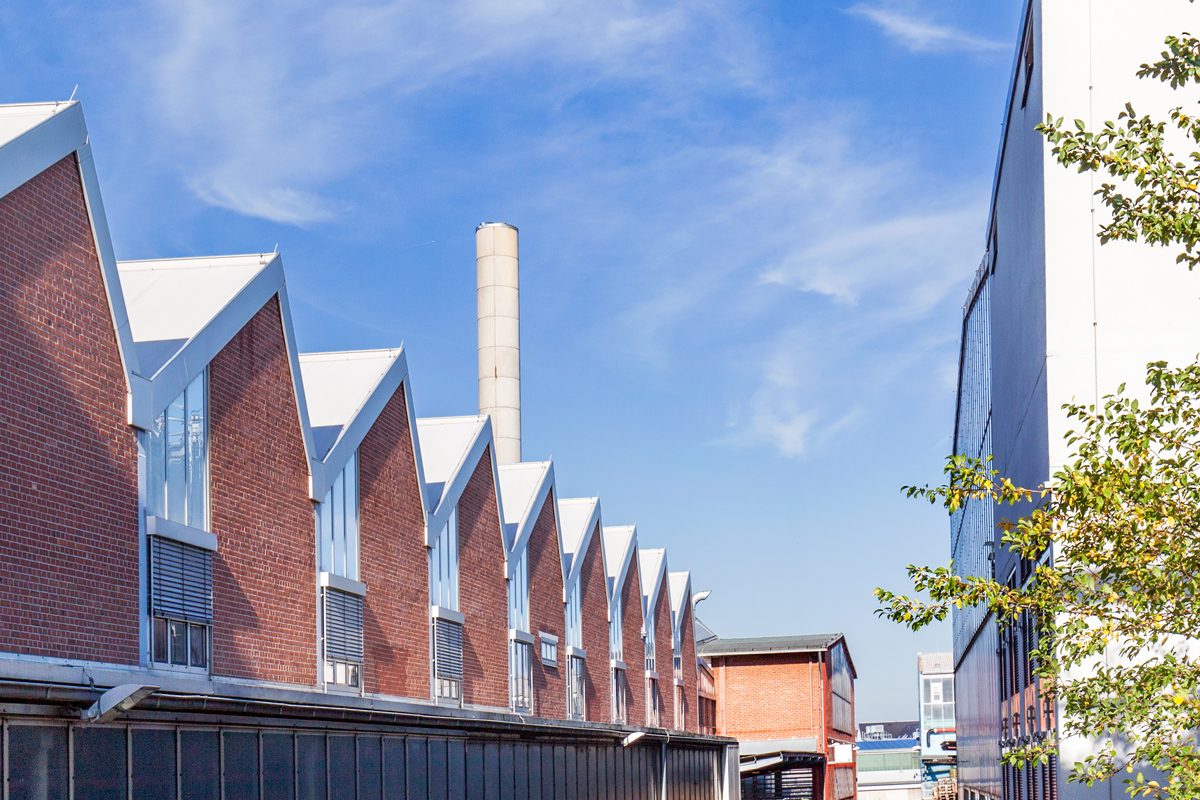
As part of the development, around 60% of the existing buildings will be preserved and revitalized, complemented by flexible new constructions. The shed roof halls in the southwest, identified as worth preserving, will be fully integrated into the campus, with new buildings echoing their materials and forms, shaping the architectural identity of the entire site.
LIZ received its building permit in May 2024. The first modernization works have already been completed, including facade and roof renovations, house connections for district heating and drinking water, and energy efficiency upgrades. Further revitalization efforts and the conversion from single-tenant to multi-tenant use are currently underway, while demolition of non-preservable buildings began in August 2025.
LIST BAU, a renowned construction company, is managing the project on site from Bietigheim-Bissingen as the general contractor, with construction of the new buildings scheduled to start in March 2026. Infrastructure works began in October 2025.
The first tenants have already committed themselves to LIZ: MANN+HUMMEL has leased back a large portion of the existing space, and the German space tech company ISPTech has also secured its presence. Additional rental enquiries are currently being processed, with tenants whose business models will contribute to the ongoing value and transformation of Ludwigsburg’s western district.
As general planners, BFK Architekten laid the solid foundation for the project, while DK Real Estate ensured smooth execution and coordination throughout. BGO, a leading global financier in commercial real estate, provided refinancing for the original purchase as well as the project development loan for both the renovation of existing buildings and the new construction.
ESG Strategy – A Sustainable Future District for Industry 4.0
The LIZ Ludwigsburg is a showcase for combining ecological and social responsibility with forward-looking sustainability.
The preserved building stock is being comprehensively renovated to enhance energy efficiency, complemented by new roofs, facades, and windows. The new buildings meet the KfW-40 efficiency standard, while DGNB Gold certification (or higher) is targeted. With photovoltaic systems exceeding 1 MWp, district heating connection, green electricity, and wood-hybrid structures, the LIZ will achieve a significant reduction in CO₂ emissions.
The campus is designed to be people-centric: bicycle parking, regional bike stations, EV charging points, high-quality workplaces, and biophilic lounge areas all foster collaboration, well-being, and a sense of community. The upcoming connection to the LUCIE light rail and direct access to the BW cycle highway network further strengthen sustainable mobility.
With its long-term decarbonization strategy, the district is set to be “Paris Ready” in line with the CRREM pathway, creating a future-proof hub for Industry 4.0.
Future-Ready Industrial Campus
LIZ Ludwigsburg is a sustainable industrial campus integrating Industry 4.0 requirements with extensive ecological and social aspects.
Existing buildings are refurbished with energy efficiency upgrades, including new roofs, facades, and windows. New constructions meet KfW 40 efficiency standards, and DGNB Gold certification (or higher) is targeted. Photovoltaics (min. 1,050 kWp), district heating, green electricity, and timber-hybrid structures enable significant CO₂ reduction.
Social sustainability is core: bicycle parking, regional bike-sharing stations, EV charging, high-quality workspaces, and biophilic design promote interaction. Planned connections to the LUCIE light rail and the regional rapid cycling network support sustainable mobility.
With a long-term decarbonization strategy aligned to the CRREM Paris-ready pathway, LIZ demonstrates how ecological and social responsibility can be combined with future-proof industrial development across almost 100,000 m².
ContaCt
Dr. Till Meister
Senior Project Manager / Prokurist
INBRIGHT Development GmbH
Erasmusstraße 14
10553 Berlin
Mobile: +49 30 403 686 2-0
Email: tm@inbright.de
ContaCt
Mehdi Ahmito
PROJECT ASSISTANT
INBRIGHT Development GmbH
Erasmusstraße 14
10553 Berlin
Mobile: +49 30 403 686 2-0
Email: ma@inbright.de